

Many people turn to cosmetic eye and eyelid surgeries for aesthetic, medical, or functional reasons. These delicate procedures focus on enhancing the appearance and function of different parts of the eye, especially the external areas. In this article, presented by Dr. Sherif Momtaz Hegazy’s Center, we will explore the types of these surgeries in detail, as well as the expected results, side effects, and post-operative care guidelines.
Types of Cosmetic Eye and Eyelid Surgeries
Because cosmetic and eyelid surgeries comprise a specialized field that covers all external structures around the eye—including the eyelids, orbit, tear ducts, and surrounding tissues—each part has its own dedicated surgical technique. The most common procedures include:
• Eyelid Ptosis Repair
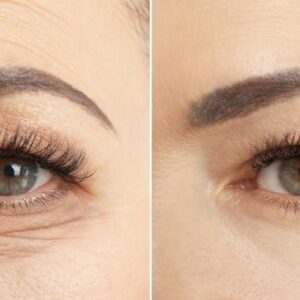
Also known as droopy eyelid surgery, this is one of the most common cosmetic eyelid procedures. It removes excess skin from the upper and lower eyelids along with fat pockets and cysts.
This improves the appearance of wrinkles, puffiness, and under-eye bags, and can also enhance vision.
• Under-Eye Fat Pad Removal
This procedure removes fatty bags that collect beneath the lower eyelids.
It primarily targets the lower eyelids and is known as lower blepharoplasty.
• Thyroid-Related Eye Problems
Thyroid disorders may cause eye bulging or sunken eyes.
Specific surgeries can correct these issues, either by reducing orbital pressure through removal of orbital bone or adjusting extraocular muscles to restore normal eye alignment and appearance.
• Tear Duct Disorders
Tear duct surgery can be both cosmetic and therapeutic. It treats tear duct blockage and improves tear drainage.
Techniques include:
- Creating a new drainage pathway connecting the tear duct to the nose
- Balloon tear duct dilation
- External or endoscopic approaches, the latter leaving no external scar
The cosmetic benefit lies in reducing constant tearing and improving the overall appearance of the eyes.
• Brow Lift
A brow lift widens the space between the eyes and eyebrows, enhancing upper-face aesthetics.
It may be done through:
- Direct surgical excision, suitable for older patients
- Endoscopic brow lift, which uses tiny incisions in the scalp to lift and fix the brows using special sutures
• Eyelid Malposition (Entropion & Ectropion)
Eyelid inversion (inward turning) or eversion (outward turning) is corrected surgically by:
- Removing excess eyelid skin
- Adjusting eyelid tension
- Repositioning the eyelid
- Using grafts in complex cases
• Blepharoplasty (Eyelid Reshaping)
One of the most popular cosmetic procedures, performed on the upper or lower eyelids—or both.
It improves drooping eyelids, under-eye bags, and visual obstruction caused by sagging skin.
• Congenital Eye Abnormalities
These reconstructive surgeries correct congenital deformities and improve visual function.
They may involve multiple combined procedures, such as removing excess tissue, eyelid tightening, orbital bone reshaping, and muscle adjustment.
• Microneedling for Eyelids
A modern non-surgical technique using dermapen or dermarollers to treat fine wrinkles and mild puffiness.
It works by creating microscopic channels that stimulate collagen production.
Requires up to 5 sessions, spaced one month apart.
Reasons for Undergoing Cosmetic Eye and Eyelid Surgery
Patients seek these surgeries due to:
- Genetic predisposition to puffiness or heavy eyelids
- Age-related skin sagging
- Chronic sun exposure
- Irregular sleep patterns
- Poor diet
- Smoking or alcohol use
- Excessive screen time
Steps of Eyelid Surgery (Blepharoplasty)
- Local or general anesthesia based on the case
- Creating an incision in the natural eyelid crease to minimize visible scarring
- Removing excess skin, fat, and tissues causing puffiness
- Closing the incision with fine sutures and applying protective dressing
Side Effects After Eyelid Surgery
Common temporary effects include:
- Mild to severe pain
- Noticeable swelling around the eyes
- Bruising
- Blurred vision
- Light sensitivity
- Difficulty closing the eyes fully in the first few days
Post-Operative Instructions
To ensure optimal results, patients are advised to:
- Rest well after surgery
- Avoid exercise, heavy lifting, and strenuous activities for at least one week
- Limit screen time and reading
- Use prescribed drops and ointments as directed
- Apply cold compresses (after approval from your doctor)
- Keep the eyes away from water, makeup, and pools
- Maintain an upright head position
- Wear sunglasses outdoors
- Avoid rubbing the eyes
- Do not use cosmetics or contact lenses
Advantages of Cosmetic Eye & Eyelid Surgery
- Enhances eye appearance, making them look wider and more youthful
- Improves vision by removing overhanging skin
- Reverses signs of aging and fatigue
- Boosts self-confidence
- Safe and highly effective surgery
- Quick recovery—most symptoms resolve within a week
Possible Disadvantages
While generally safe, potential drawbacks may include:
- Visible scars if performed unprofessionally
- Temporary results in elderly patients (lasting around 10 years)
- Procedure duration of 90–120 minutes for both eyes
- Rare risk of incomplete eyelid closure (with over-excision)
- Infection if sterile precautions are not followed (not applicable in Dr. Sherif’s center)
- Slight asymmetry requiring corrective surgery
Best Cosmetic Eye Surgeon in Egypt
Given the precision required in cosmetic eye and eyelid surgeries, choosing the right specialist is essential.
Dr. Sherif Momtaz Hegazy stands out as one of the top cosmetic and ophthalmic surgeons in Egypt, having restored natural vision and aesthetic beauty for thousands of patients with exceptional professionalism.
His distinguished academic and professional journey includes:
- Fellowship at Tübingen University, Germany
- Advanced fellowship in retinal and vitreous surgery
- Membership of the Royal College of Surgeons, UK
- International examiner for the Royal College of Surgeons
- World Ophthalmology Council fellowship with top honors
- Certified trainer at the Research Institute of Ophthalmology in Egypt